


What Are Ethically Sourced Diamonds? A Considered Guide
Ethically sourced diamonds are becoming an essential consideration for modern jewellery buyers. As more people question the origin of their diamonds, understanding how and where they are sourced matters just as much as their appearance.
At ANUKA, we take a considered approach to ethical jewellery, focusing on traceability, responsible sourcing, and long-term craftsmanship. This guide explores what ethically sourced diamonds are, how they compare to alternatives, and how to choose a piece with confidence.

What Makes a Diamond Ethically Sourced?
An ethically sourced diamond is one that has been mined, cut and traded in a way that respects both people and the planet. This means fair wages and safe conditions for miners, minimal environmental impact, and full traceability from mine to finished piece. It also means being free from any connection to conflict or human rights abuses — what have historically been called "blood diamonds."
Certifications such as the Kimberley Process Certification Scheme exist to help prevent the trade of conflict diamonds, and organisations like the Responsible Jewellery Council set standards for ethical practice across the entire supply chain.
At ANUKA, we go further, sourcing only Canada Mark natural diamonds or recycled diamonds, alongside Fairmined traceable gold, so you can be confident in every element of your piece.

Lab Grown Diamonds vs Natural Diamonds
A common question currently surrounding the diamond industry is whether lab grown diamonds are a more ethical choice than natural ones.
While lab grown diamonds are often presented as a solution to unethical mining, the reality is more complex. Although they remove the need for traditional extraction, their production takes place in energy-intensive factory environments, which can raise questions about their overall environmental impact and whether they are as sustainable as they appear.
This is not to say all lab grown diamonds are bad, but it is always important to ask these questions when choosing to buy ethical diamond jewellery. To explore this further, discover our guide to buying diamonds.
Your Guide to Ethical Diamond Options
Choosing the right diamond is a personal decision, guided by your values and what resonates most with you. Below, we explore the options available, each reflecting a considered and responsible approach to sourcing.

Canada Mark Natural Diamonds
Canada Mark is one of the most trusted standards in the industry — a certification that guarantees a diamond has been responsibly mined in Canada, under some of the most rigorous environmental and social standards in the world. Every Canada Mark diamond is fully traceable, from the mine it was recovered from to the piece it becomes.
At ANUKA, we source Canada Mark natural diamonds as our preferred choice for natural stones, so the diamond you choose carries a story you can feel proud of.

Recycled Diamonds
An alternative ethical use of diamonds is using old cuts from old diamond jewellery. A recycled diamond is quite literally what the name implies: it has been mined, cut and already used in an old piece of jewellery. This is a great ethical alternative and an opportunity to celebrate the precious materials that are above ground, which in turn minimises carbon footprint as we are using what is already available to us.

Salt and Pepper Diamonds
Salt and pepper diamonds are formed in the same way as your typical white diamond, but during the process of the diamonds forming, minerals such as carbon and graphite are trapped within the crystal, creating the inclusions that you can see. These inclusions give them their distinctive character and celebrate their natural beauty.
We source our salt and pepper diamonds from Misfit Diamonds UK, a supplier who believes in creating transparency within the diamond industry.
Remodelling Diamond Jewellery
If you have inherited sentimental diamonds or pieces you no longer wear, remodelling is one of the most meaningful ways to give them a new life.
At ANUKA, we handcraft timeless pieces designed to last a lifetime. Whether it is ethical diamond engagement rings, or re-modelling heirloom pieces into contemporary diamond jewellery, we love bringing your ideas to life. If you have inherited sentimental diamonds, are looking to update your own diamond rings or hoping to create a new piece of diamond jewellery, we are happy to help. Discover our full bespoke service to find your next custom piece.


Discover Ethical Diamond Jewellery at ANUKA
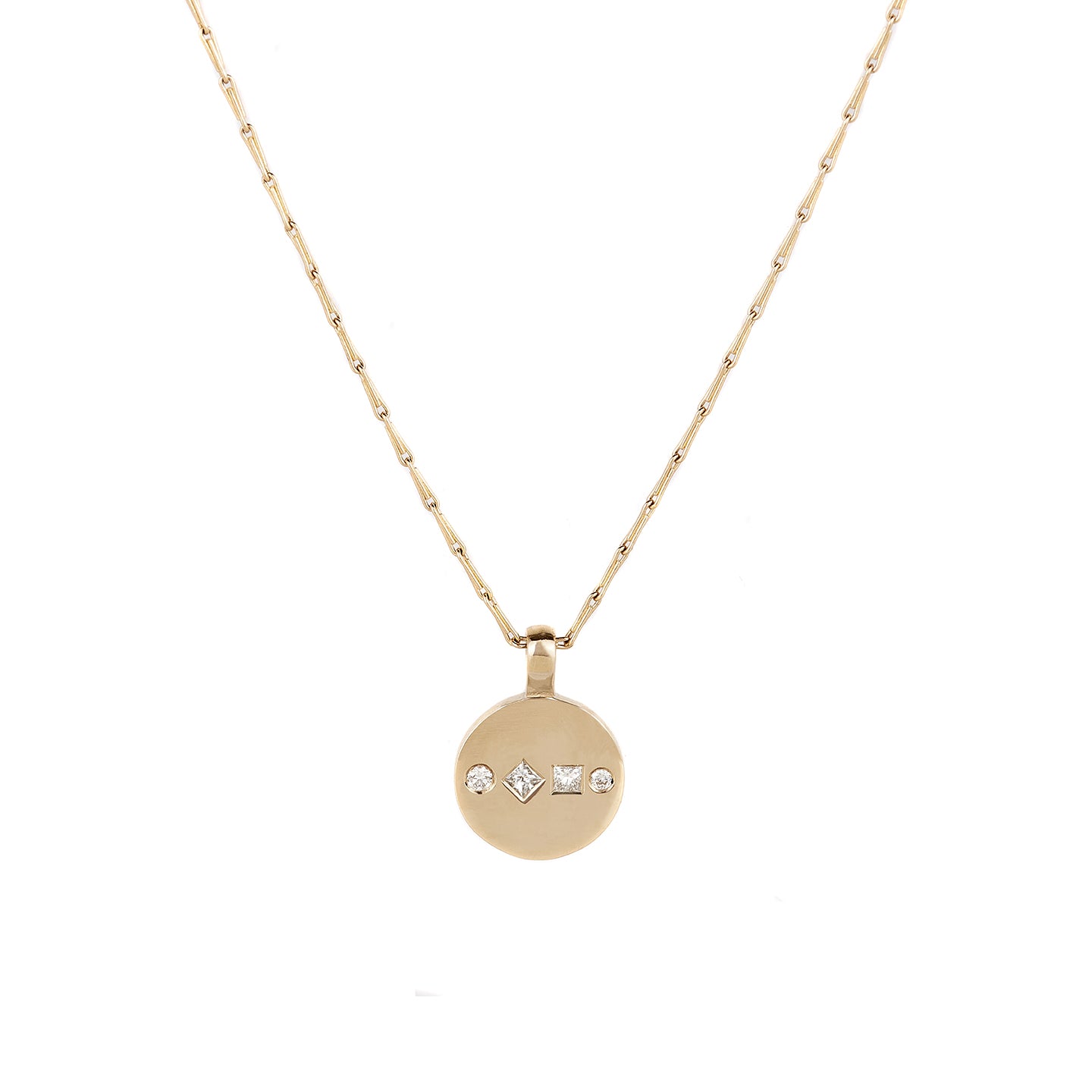
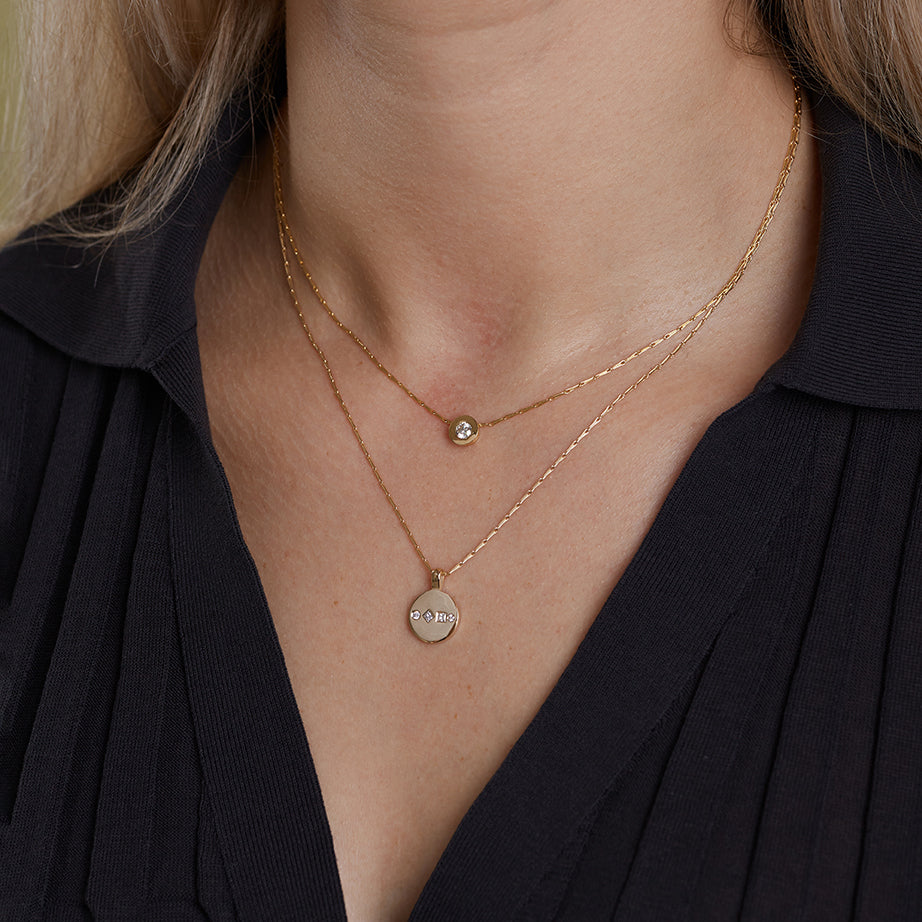
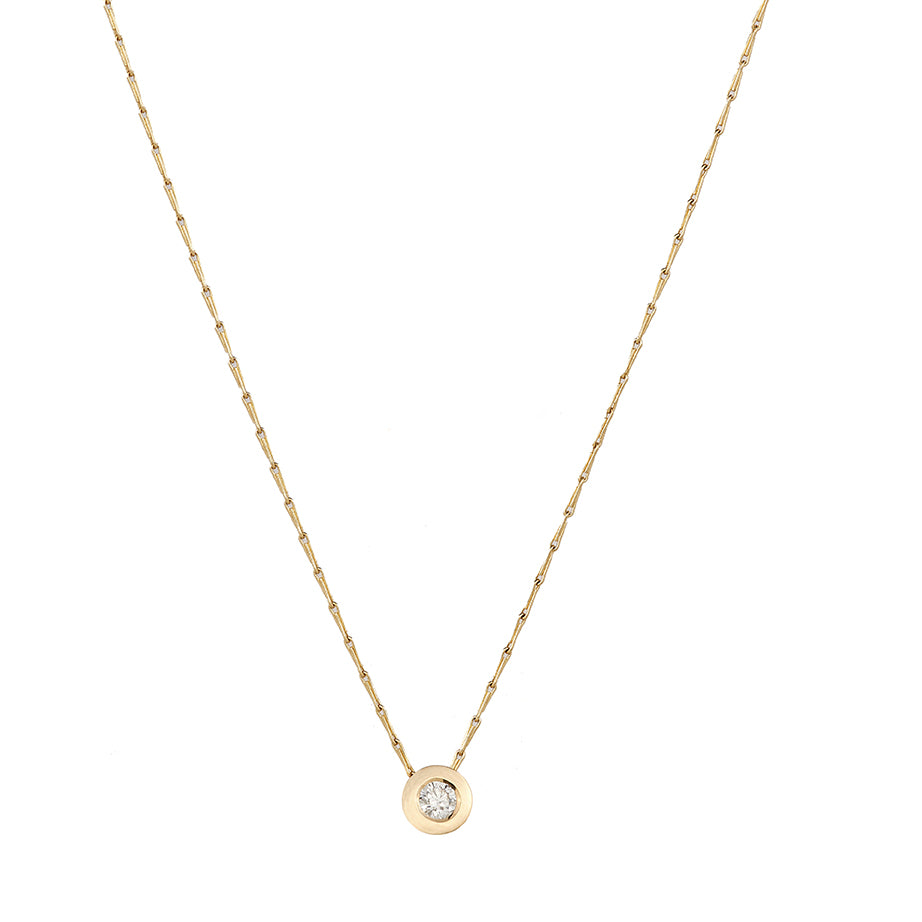
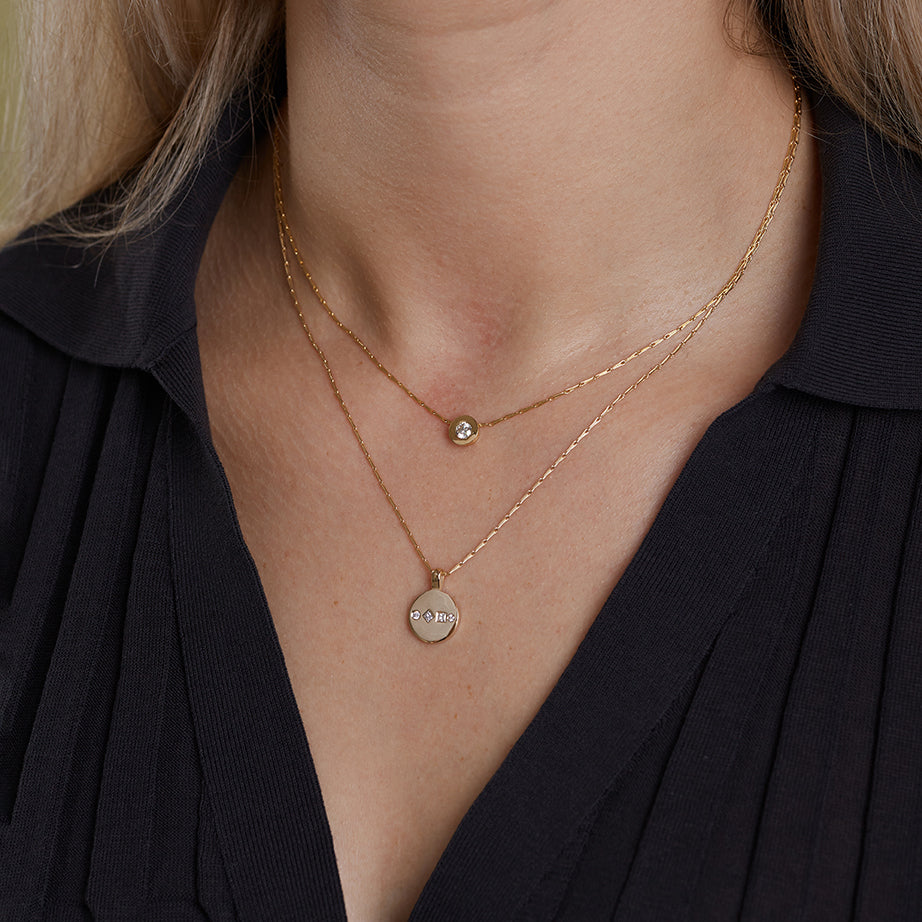
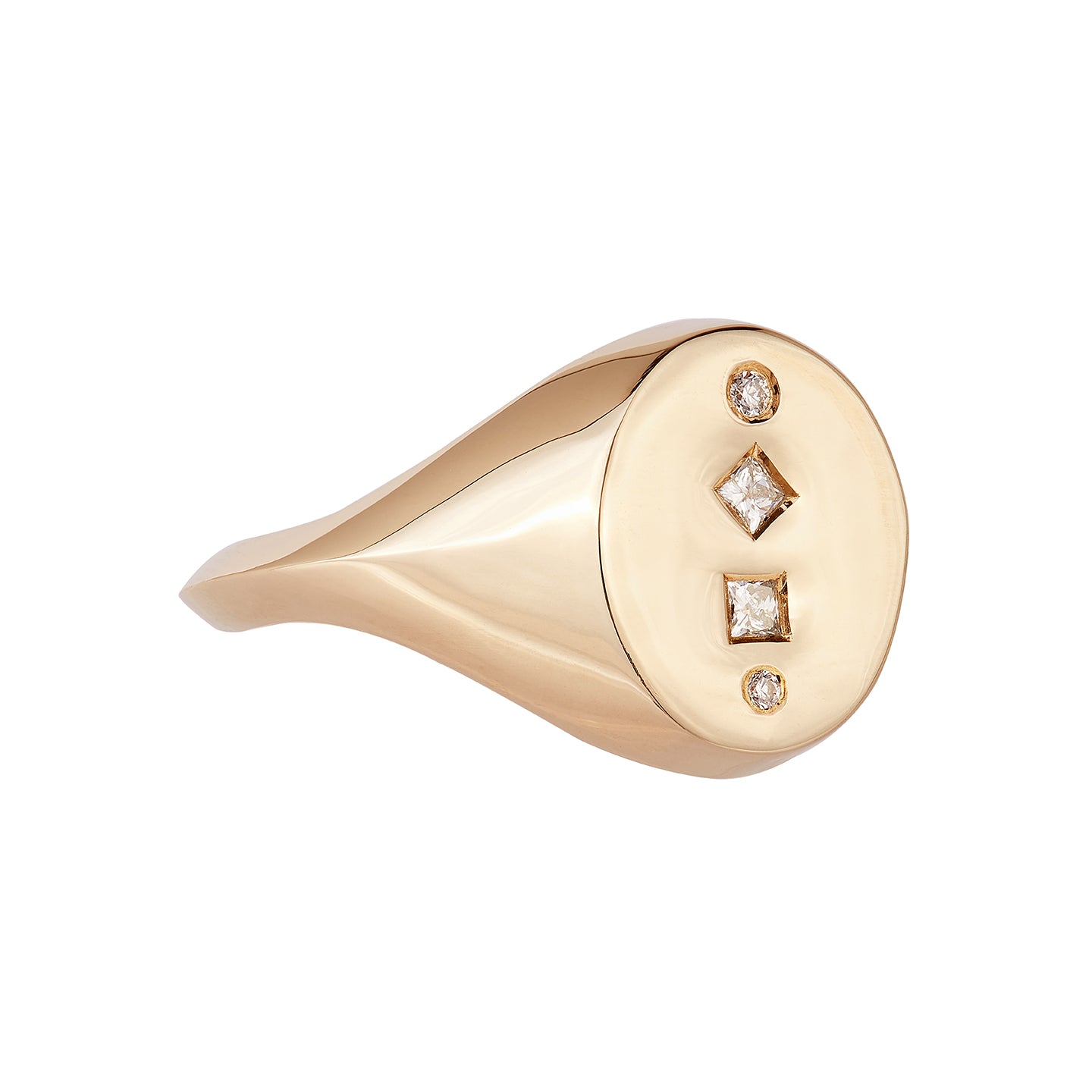
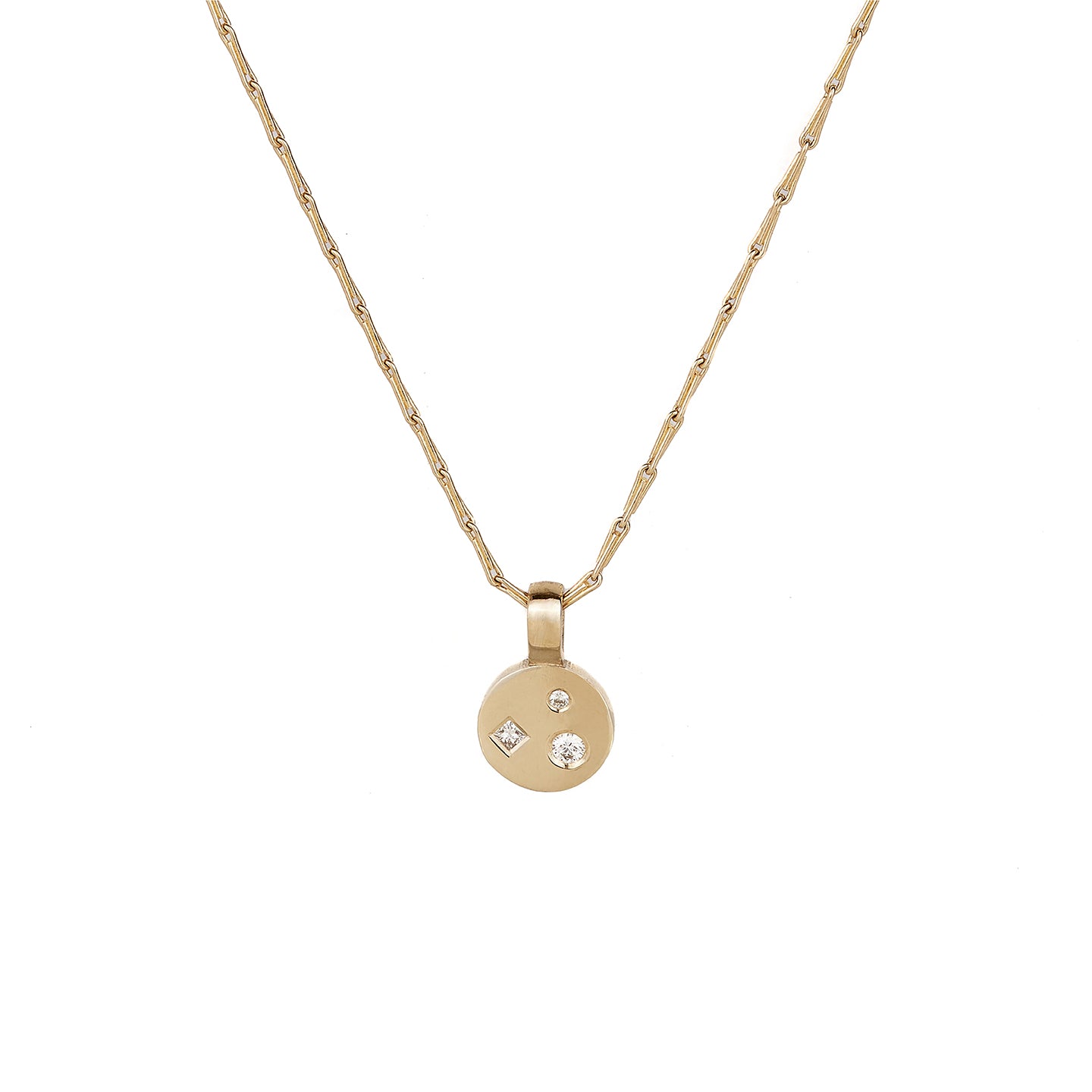
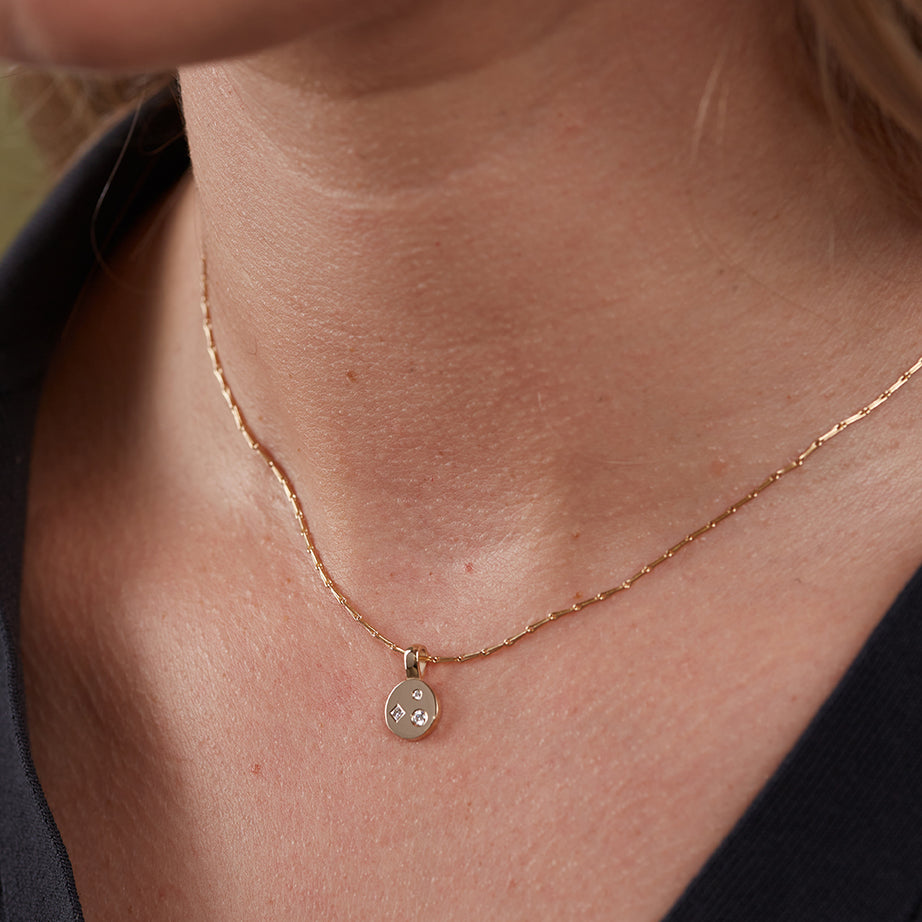
Every piece in our diamond collection is crafted with intention, using ethically sourced diamonds that are fully traceable. From diamond necklaces to signet rings and bespoke creations, each design reflects a more thoughtful approach to jewellery.
Explore our collection or begin your bespoke journey to create a piece that aligns with your values.


FAQ
Are lab grown diamonds more ethical?
Often positioned as the more ethical choice, lab grown diamonds remove the need for traditional mining, which addresses certain concerns. However, their production can be energy-intensive, and the environmental impact varies depending on how and where they are made. Rather than assuming one option is always better, we'd encourage you to look at sourcing, energy use, and transparency, and make the choice that feels right for you. We're always here to help with that conversation.
Are ethically sourced diamonds more expensive?
Not necessarily. While stricter sourcing standards and full traceability can carry a higher price in some cases, options such as recycled diamonds offer an accessible and considered alternative. Ethical choices are available across a range of budgets — and at ANUKA, we'll always work with you to find the right one.
Are lab grown diamonds real diamonds?
Yes. Lab grown diamonds have the same chemical composition, structure, and brilliance as natural diamonds. The difference in origin can only be identified using specialist equipment.
What is the most ethical diamond option?
There isn't a single answer — and we think that honesty matters here. The most considered choice depends on your values and what feels meaningful to you. Recycled diamonds avoid new mining entirely; traceable natural diamonds like Canada Mark stones are held to some of the most rigorous standards in the world; and lab grown diamonds reduce reliance on extraction. Each offers a different approach, and we're happy to talk through what's right for you.
Do lab grown diamonds have a lower environmental impact?
They can, particularly in terms of land use and resource extraction. However, their production still requires significant energy, so the overall footprint depends on how and where they are made. It's a nuanced picture, and one we think deserves an honest answer rather than a simple yes or no.
How can I tell if a diamond is ethically sourced?
Look for origin certification such as Canada Mark, conflict-free assurances, transparent supply chains, and responsible metal sourcing- such as Fairmined gold or recycled silver. Working with a jeweller who prioritises transparency is key. At ANUKA, all of this information is available to you from the very beginning.
Are recycled diamonds a good ethical choice?
We think so. Recycled diamonds reuse what is already above ground, avoiding additional mining and reducing environmental impact - while preserving the quality and character of the original stone. It's a quietly considered choice, and one that sits very naturally within how we think about making jewellery at ANUKA.